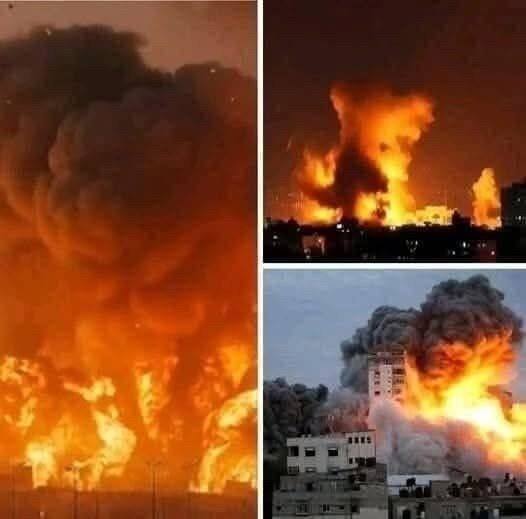
The fire started just after dusk—one spark in the maze of Pamplona Alta that turned into an inferno before anyone could fully understand what was happening. In San Juan de Miraflores, on a hillside where families had built their lives from wood, tin sheets, and stubborn hope, the sky lit up in a violent orange glow. Within minutes, thick black smoke swallowed entire rows of homes, and neighbors bolted into the narrow pathways shouting warnings, grabbing children, pounding on doors, pulling elders to safety.
People would later say they heard a loud crack, like a small explosion—maybe pyrotechnics, maybe something electrical—but in the moment, there was no time to guess. Flames leapt from roof to roof, carried by the wind and fueled by walls made of plywood and cardboard. The fire climbed upward, dragging everything with it. Those who lived at the top of the hill watched their only path of escape glow hotter and narrower. Those at the bottom watched fire rain down from above.
By the time the first sirens echoed through the district, the blaze had already carved a massive scar through the neighborhood. Entire clusters of homes—places where families had celebrated birthdays, shared meals, survived hard years together—were reduced to smoldering frameworks. In the shadows of the flames, children clung to their parents, barefoot, coughing, their eyes wide with the kind of fear that stays long after the smoke clears.
Firefighters rushed in with hoses and equipment, but the terrain fought them. Pamplona Alta isn’t built for emergencies. It’s a community built on steep slopes, with narrow alleys and tight corners that turn every rescue into a challenge. Water pressure dropped. Crews hauled equipment by hand up the inclines, slipping on hot ash, pushing through crowds desperate for answers. Volunteers formed human chains to carry buckets, pull debris aside, and help anyone who stumbled. For a moment, the entire hillside moved as one—fear and solidarity bound together.
As the flames raged, families stood in the cold night air watching their lives burn. Mothers held infants wrapped in blankets soaked through by the humidity and heat. Elderly men and women with trembling hands stared in disbelief at the place where their homes used to stand. Teens ran back and forth bringing water bottles, flashlights, and updates they gathered from emergency workers. People called names into the smoke, searching for friends, pets, relatives. For many, the only thing left to do was wait and pray that the fire would stop before it consumed everything.
Authorities set up emergency shelters at local schools and community centers. Crowds poured in, carrying whatever they had managed to grab—a cooking pot, an old backpack, a family photo frame scorched at the edges. Volunteers passed out water, bread, and blankets. Children sat on the floor beside strangers who were suddenly their temporary neighbors. No one slept; exhaustion sat heavy in the room, but adrenaline kept everyone alert.
Outside, investigators worked to determine the cause. Rumors spread quickly—maybe fireworks, maybe a short circuit, maybe something more sinister—but officials urged patience. For now, the priority was survival. Aid organizations arrived with trucks of supplies. Government representatives walked through the shelters making lists, gathering names, trying to assess just how many families were now homeless.
By midnight, the fire was mostly contained. Smoke still curled upward from pockets of debris, glowing faintly under the streetlights. Firefighters continued dousing hotspots, their silhouettes moving through the haze like ghosts. The damage was staggering—rows of homes leveled, twisted metal everywhere, ash blowing across the hillside like gray snow. For many residents, it was the first time they truly paused and let the shock settle in. Their neighborhood didn’t look like their neighborhood anymore.
In the shelters, the grief was quiet at first. People whispered, processing. Some cried into their hands. Others kept their eyes on the exit, as if waiting for someone to walk through the door and tell them it was over, that they could go home. But home was now a memory with edges burned away. They would have to rebuild piece by piece, starting from nothing but the community they still had.
Officials vowed support—temporary housing, food assistance, reconstruction plans. The promises were welcome, but the fear lingered. Rebuilding in Pamplona Alta has never been easy. Many of these families had constructed their homes themselves, board by board, paycheck by paycheck. Losing everything in a single night felt brutally unfair.
Yet even in the middle of ruin, moments of strength surfaced. A teenage boy returned to the shelter carrying a lost dog he’d dug out from a collapsed corner wall. A grandmother handed her last piece of bread to a crying child she didn’t know. A man who had lost his own home offered his jacket to another family because they had a baby and the night air was cold. These were the small, stubborn sparks that refused to go out, even when everything else had.
As dawn approached, the smoke thinned into a pale gray mist. The hillside, still smoldering, seemed to exhale after a night of terror. Families filed out of the shelters to see what remained. Some found nothing but ash. Some found fragments they would try to salvage—a metal door hinge, a cracked cup, a surviving plant near what used to be a window. Others found neighbors waiting for them, ready to help sort through debris, ready to rebuild side by side.
Pamplona Alta woke up to devastation, but also to an undeniable truth: even a fire that wipes out homes cannot erase a community’s backbone. People stood shoulder to shoulder again, this time not to flee the flames, but to face the long road ahead.
And as the sun climbed over the destroyed rooftops and the sirens faded, one thing was clear: while hundreds of homes were lost, the people were still standing—shaken, grieving, but unbroken, determined to rise from the ashes together.